TU Dortmund University Confers Prizes to Three Innovative Start-Ups
- Founding & Transfer
- Top News

First place, worth €6,000 in prize money, was won by PartikelART. The team led by managing directors Dr. Ronny Zwinkau and Roman Möhle from the Institute of Production Systems (IPS) at the Department of Mechanical Engineering has developed a mobile particle analysis system that assesses the cleanliness of production processes. The start-up offers companies digital solutions for monitoring the contamination of critical components and resources. The team’s pitch convinced not only the expert jury but also TU capital, the venture capital seed fund of TU Dortmund University, which awarded PartikelART this year’s special prize.
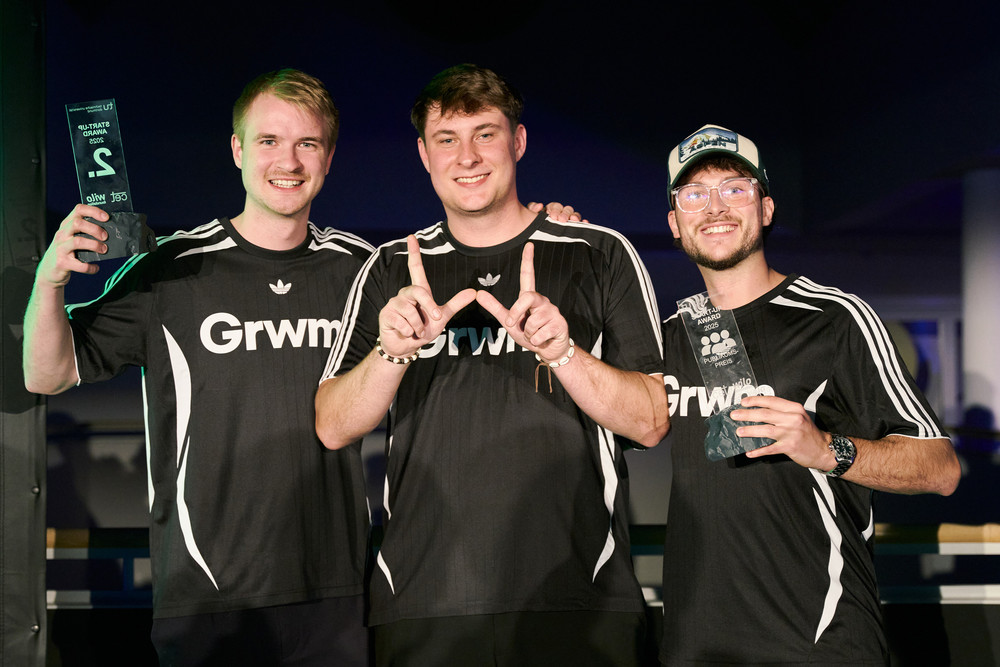
The social fashion app Grwm. won second place and €4,000 in prize money. GRWM is the acronym for “Get ready with me”, a popular social media trend where content creators show their followers how they apply their make-up or choose their outfits. This is precisely where the app comes in, which aims to create a seamless interface between creators, brands and shopping by linking outfits displayed on social media directly to where users can buy them and by offering a personalized, AI-curated fashion feed. The start-up’s founders, Ben Richter, Niklas Toporysek and Tom Zulbeck, participated in CET start-up programs with their business idea. For its convincing concept, the team won second place and the audience award worth €1,000.
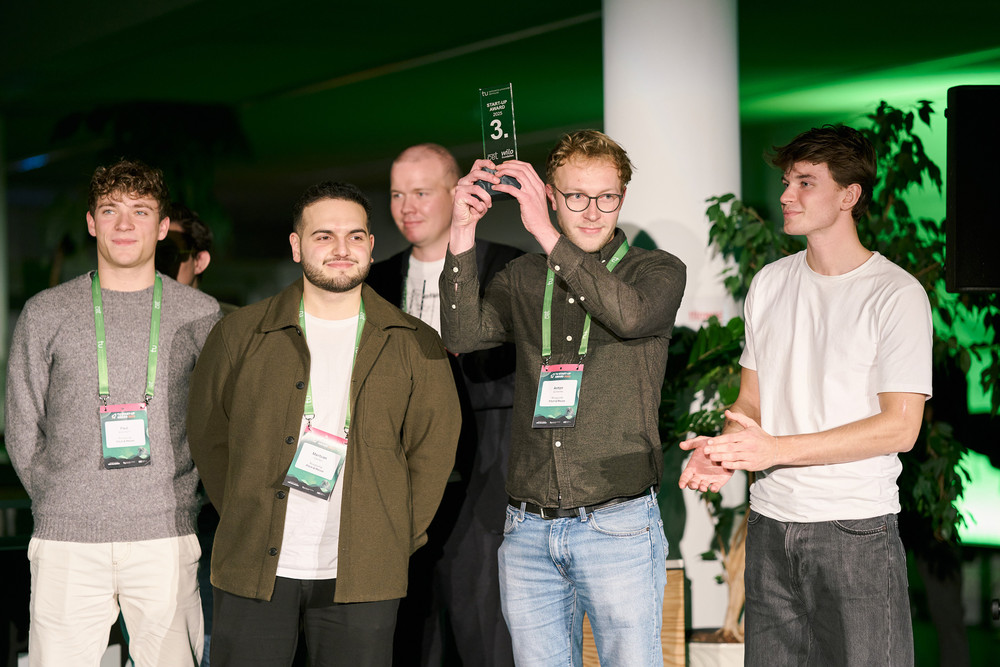
The third prize, to the value of €3,000, went to the start-up Rivopump, which has developed a self-sufficient water pump based on a physical operating principle. The aim is to offer smallholders in sub-Saharan Africa a sustainable solution for irrigating their fields, which are threatened by drought. Unlike diesel pumps, the Rivopump is driven by hydropower and constructed from recycled materials. Anton Güntheke, a member of the Rivopump team, is currently studying for a Master’s degree in mechanical engineering at TU Dortmund University.
Other finalists were the start-ups PottPilz, Ziya and SemanticMap, which are developing sustainable construction materials as well as AI solutions for companies and market researchers.
Information and networking
The expert jury for the competition comprised the following members: Professor Tessa Flatten (Professor for Technology Management and Vice President International Affairs, TU Dortmund University), Dr. Thomas Seidensticker (CSO, Simplyfined), Dr. Martin Oettmeier (Global Director R&D Strategy, Innovation and Research & Predevelopment, Wilo Group), Hendrik Schabsky (CEO, ATLAS Safety Shoes) and Dr. Hans Schulze Schwienhorst (Managing Director, Jaeger Gruppe, and member of the Investors’ Advisory Board, TU capital). Dr. Thomas Seidensticker, who was part of the winning team in the previous year, encouraged all the start-ups in attendance to address challenges with passion and perseverance. In a keynote speech, Hendrik Schabsky reported on modernization in a family business and advised how young companies can create sustainable structures for long-term growth.
Alongside presentations and the pitch competition, the event additionally offered various opportunities to obtain further information on how to launch a start-up and to network: During the evening, 20 other start-ups were able to introduce themselves and discuss with guests. Companies and investors were also displayed on a kind of noticeboard called the “Partner Wall”. With potential collaboration in mind, QR codes helped the participants to connect with each other.
Impressions from the event
-
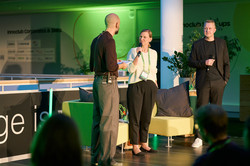
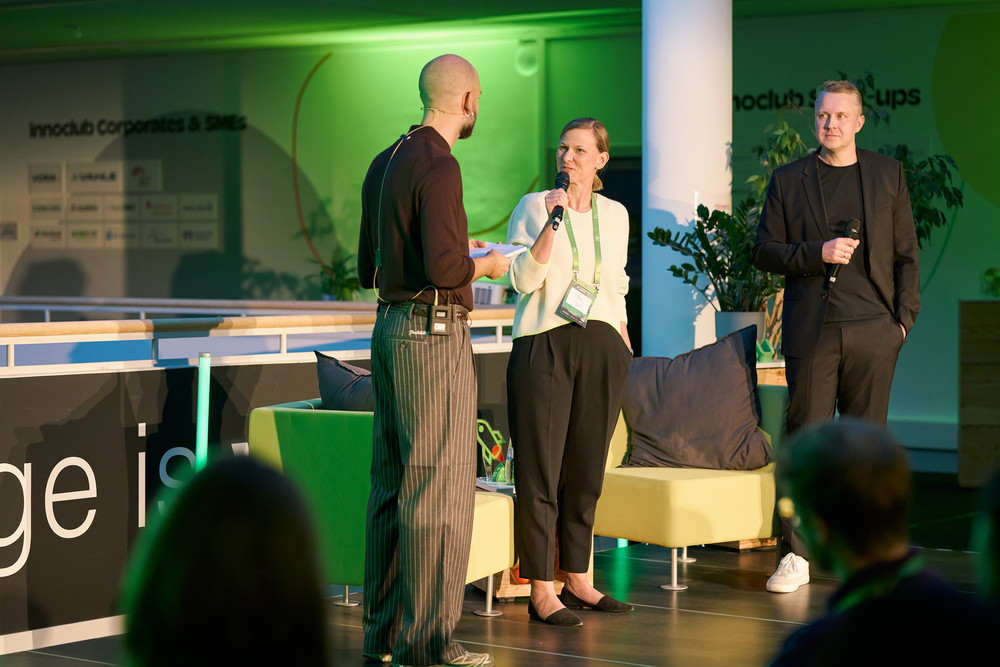
Prof. Tessa Flatten (Professor of Technology Management and Vice-Rector for International Affairs at TU Dortmund) and Dr. Ronald Kriedel (Managing Director of CET) welcomed the audience at the TU Start-up Award 2025. -
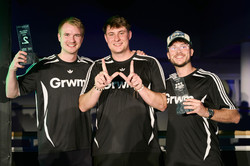
The founders of Grwm. Ben Richter, Niklas Toporysek and Tom Zulbeck (from left to right), were delighted to win second place and the audience award. -

The start-up Rivopump won third place for its concept of a sustainable water pump: Paul Wizemann, Mertcan Candan, Anton Güthenke and Joel Sperling (from left to right). -
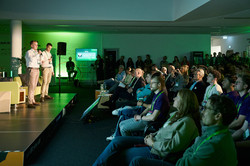
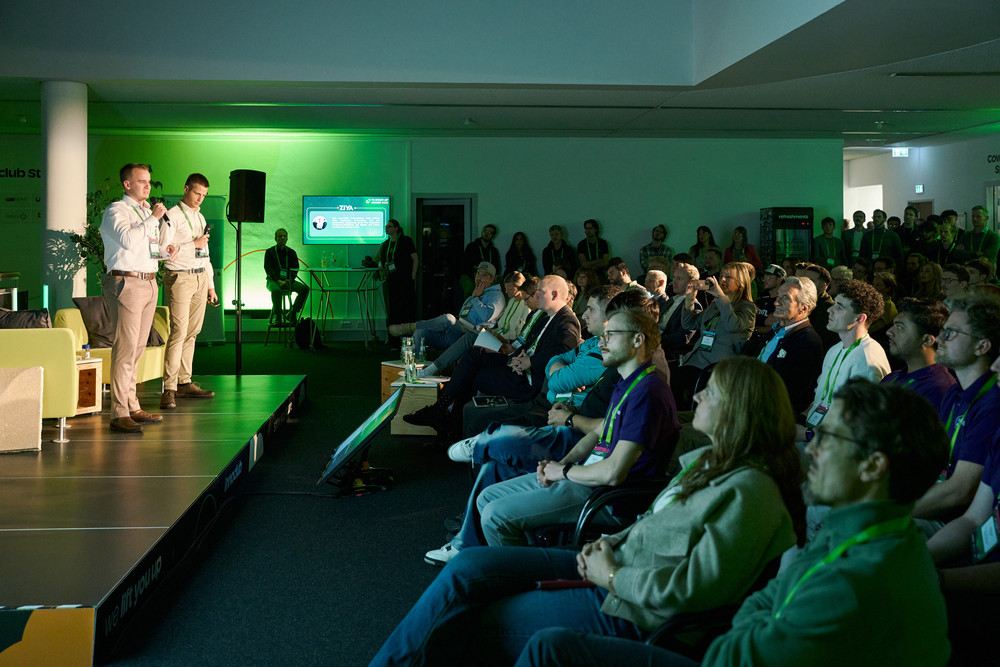
The founders pitched their ideas to an interested audience... -
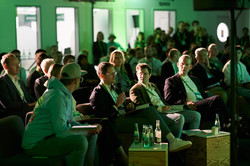
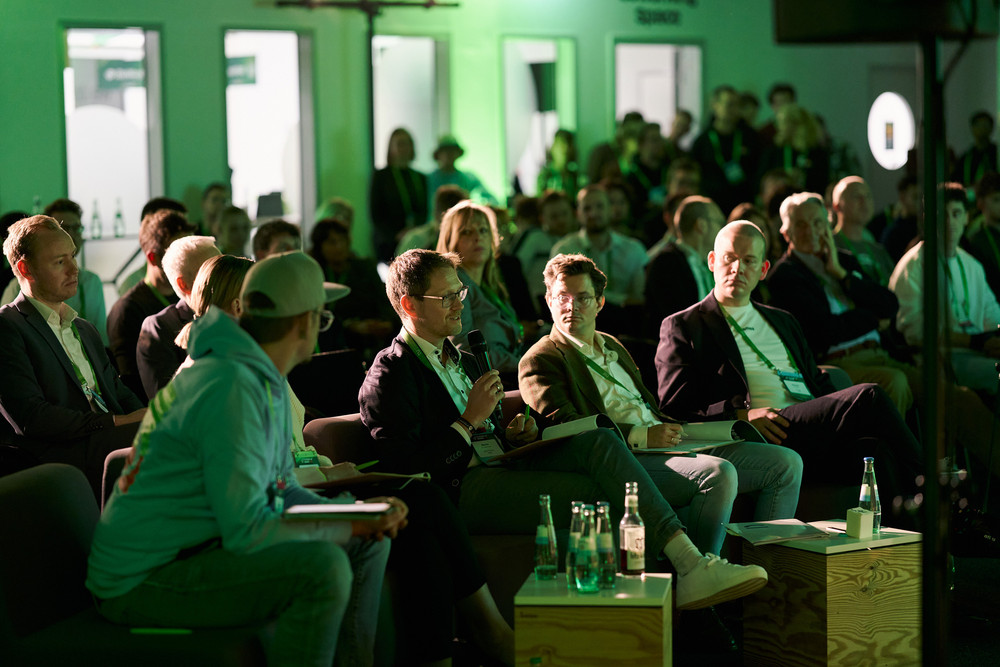
… and then answered questions from a panel of experts for five minutes: Dr. Thomas Seidensticker (Simplyfined), Prof. Tessa Flatten, Dr. Martin Oettmeier (Wilo Group), Dr. Hans Schulze Schwienhorst (Jaeger Group) and Hendrik Schabsky (ATLAS Safety Shoes) (from left to right). -
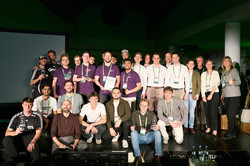
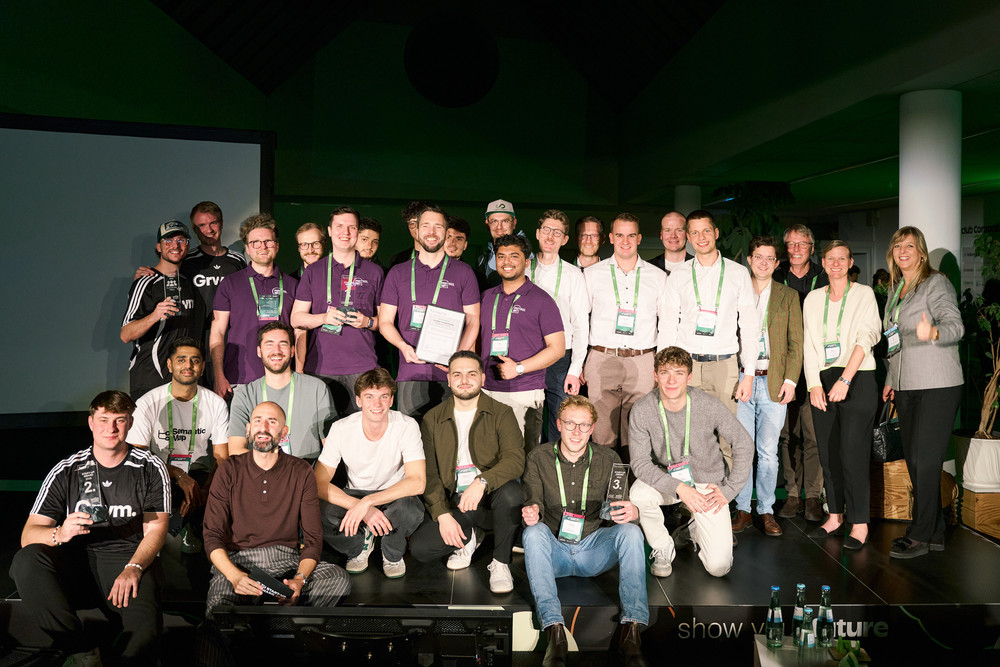
Celebrated the presentation of the TU Start-up Award together with the finalists: Sina Ramin Sadegh Nadi (CET, front, 2nd from left), the expert jury, and Evi Hoch (Wilo Foundation, far right).
Contact for queries:
Related news
Federal Government Funds Start-up PottPilz

Federal Government Supports AI Start-up Founded by TU Alumni

TU Dortmund University Awards Prizes to Three Young Startups
